
That sweet craving for something juicy and refreshing during pregnancy often leads many of us straight to the fruit bowl.
Whether you're dealing with morning sickness or just looking to nourish your baby, grapes for pregnant women can be a simple and natural snack option. But like many foods during pregnancy, you might wonder if they're actually safe and beneficial for both you and your little one.
Nutritional value of grapes
Before we answer whether grapes are good for pregnancy, let's look at what makes these little fruits so nutritionally impressive. Grapes pack a surprising amount of nutrients into their small, sweet packages.
Here's what you'll find in a typical serving of grapes:
| Nutrient | Benefits During Pregnancy |
| Vitamin C | Boosts the immune system and helps with tissue repair |
| Vitamin K | Essential for blood clotting and bone health |
| Folate | Crucial for fetal neural tube development |
| Potassium | Supports heart health and maintains fluid balance |
| Dietary Fiber | Helps prevent pregnancy constipation |
| Natural Antioxidants | Combat oxidative stress and inflammation |
The antioxidants in grapes, including resveratrol, flavonoids, and polyphenols, are particularly noteworthy. These compounds work like tiny bodyguards, protecting your cells from damage while supporting your overall health during this crucial time.
Are grapes safe during pregnancy?
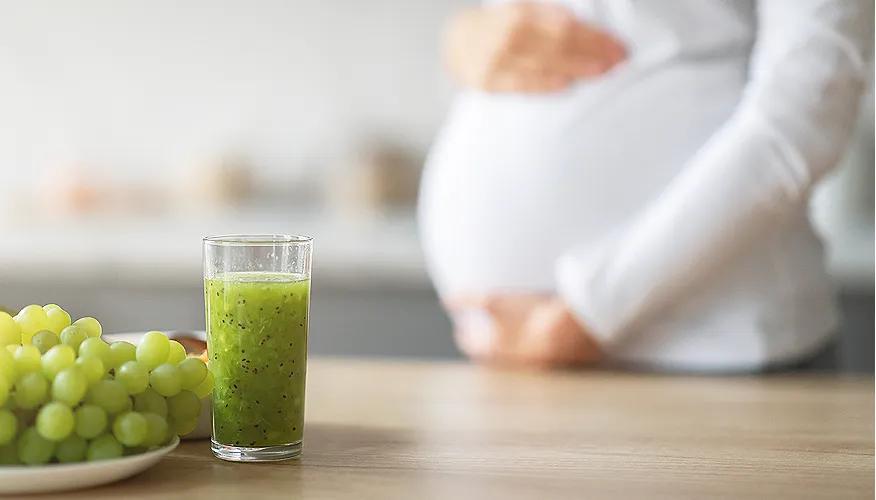
The short answer is yes. Grapes are generally safe for pregnant women when eaten properly.
Unlike some foods that land on the "avoid during pregnancy" list, grapes don't pose inherent risks when you follow basic food safety practices. Here are a few:
- Wash them thoroughly before eating
- Choose fresh, quality grapes
- Eat them in moderation
- Store them properly
The key is understanding that while grapes themselves aren't dangerous, how you prepare and consume them matters. Think of it like any fresh produce. The safety comes down to cleanliness and common sense.
Top health benefits of grapes in pregnancy
When you're wondering "can pregnant women eat grapes," the benefits might surprise you. These little fruits offer a remarkable range of advantages for both you and your developing baby.
For your overall health:
- Rich in antioxidants that protect against cellular damage
- Boosts immunity with vitamin C content
- Enhances blood circulation through natural compounds
- Provides natural energy from healthy sugars
- Reduces inflammation throughout your body
- Regulates blood pressure with potassium
- Supports heart health with polyphenols and resveratrol
For digestive comfort:
- Improves digestion with natural fiber
- Provides hydration from high water content
- May soothe nausea with natural sugars and water
- Acts as a natural detoxifier for your system
For your baby's development:
- Supports fetal bone development with vitamin K
- Contains folate, essential for neural tube formation
- Supports brain development through antioxidants
- Supports eye health with various vitamins
- May reduce the risk of infections by boosting maternal immunity
For pregnancy-specific concerns:
- Helps manage weight gain as a healthy snack option
- Reduces muscle cramps with potassium
- Promotes healthy blood sugar levels when eaten mindfully
- Improves sleep quality through natural compounds
- Enhances iron absorption with vitamin C
- Supports skin health and improves skin elasticity
Related:The Best Fruits for Expecting Mothers
Which grapes are best for pregnancy?
Not all grapes are created equal when it comes to nutritional benefits. While green grapes for pregnancy are perfectly safe, darker varieties have a higher nutritional value.
Red and black grapes typically contain higher concentrations of antioxidants, particularly resveratrol, compared to green or white varieties. The deeper the color, the more antioxidants you're likely getting.
However, the most important factor isn't color; it's quality and safety:
- Choose organic when possible to reduce pesticide exposure.
- Look for firm, plump grapes without soft spots.
- Avoid grapes with white film or signs of mold.
- Select grapes that are still attached to their stems for freshness.
Ways of eating grapes safely during pregnancy
Knowing how to prepare grapes properly ensures you get all the benefits while minimizing any risks.
Here's your safety checklist:
Washing and Preparation:
- Rinse grapes thoroughly under running water for at least 30 seconds.
- Gently rub each grape to remove surface residues.
- Pat dry with a clean towel.
- Remove any damaged or moldy grapes.
Smart Consumption Tips:
- Eat grapes whole rather than juiced to maintain fiber content.
- Combine with protein-rich foods like yogurt or nuts to slow sugar absorption.
- Avoid pre-cut grapes unless you're certain of their freshness.
- Store washed grapes in the refrigerator and consume within a few days.
How many grapes can you eat during pregnancy?
Moderation is your friend when it comes to eating grapes during pregnancy. While there's no strict daily limit, most healthcare providers suggest one to two servings per day as a reasonable amount.
What does a serving look like?
- About 80-100 grams (roughly a small handful)
- Approximately 15-20 individual grapes
- About 1/2 to 3/4 cup
Remember, grapes are naturally high in sugar, so if you're managing blood sugar levels or have concerns about gestational diabetes, you might want to stick to the lower end of this range or consult your healthcare provider.
Another thing to consider is resveratrol. Resveratrol is a plant compound found in grape skins. Although it has antioxidant properties, consumption in high doses, such as those in supplements, may have potential risks. However, the small amounts found in whole grapes used as food are generally considered safe for most expectant mothers when consumed sensibly.
Possible risks of eating grapes during pregnancy
While grapes offer many benefits, it's important to understand potential concerns so you can make informed choices about grapes in pregnancy.
- Sugar content concerns: The natural sugars in grapes can add up quickly, especially if you're eating large quantities. This is particularly important if you have gestational diabetes or are at risk for developing it.
- Pesticide residue: Grapes often appear on "dirty dozen" lists due to pesticide use in conventional farming. Insufficient washing may expose you and your baby to harmful chemicals.
- Digestive issues: Some women experience bloating or digestive discomfort from the fermentable sugars in grapes, especially during pregnancy, when digestion can already be sensitive.
- Nausea: Grapes are naturally acidic, and eating too many raw or sour grapes during pregnancy, especially in the first trimester, can trigger heartburn, nausea, vomiting, and headaches in some women.
- Choking Considerations: While rare, whole grapes can pose a choking risk if not chewed properly—something to be mindful of if you're dealing with pregnancy-related nausea or eating quickly.
Tips to safely enjoy grapes during pregnancy
Grapes for pregnant women can be a healthy choice, but it's important to follow a few simple tips to enjoy them safely during pregnancy.
Shopping Smart:
- Choose organic grapes when your budget allows.
- Buy from reputable sources with good turnover.
- Check for freshness indicators like firm attachment to stems.
Storage and Handling:
- Keep grapes refrigerated at all times.
- Don't wash until you're ready to eat them.
- Check regularly for spoilage, especially in warm climates.
Balanced Consumption:
- Include grapes as part of a varied fruit intake, not your only fruit choice.
- Pair with other foods to create balanced snacks.
- Listen to your body—if grapes don't agree with you, it's okay to skip them.
Who should avoid grapes in pregnancy?
While most women can safely enjoy grapes during pregnancy, certain situations call for extra caution or complete avoidance.
- Women with gestational diabetes or those at high risk should limit or avoid grapes due to their high natural sugar content. If you're monitoring blood sugar levels, discuss grape consumption with your healthcare provider.
- Those with grape allergies must avoid all forms of grapes and grape products. Pregnancy isn't the time to test food allergies.
- Women experiencing severe digestive issues might find that grapes worsen symptoms like bloating or gas, especially during the first trimester when digestion is often more sensitive.
Precautions for eating grapes in pregnancy

Taking a few simple precautions ensures that grapes for pregnant women remain a healthy choice throughout your pregnancy journey.
- Food Safety First: Always prioritize cleanliness—wash grapes thoroughly, store them properly, and discard any that show signs of spoilage or mold.
- Medical Considerations: If you have any concerns about blood sugar management, digestive issues, or food allergies, consult your healthcare provider before making grapes a regular part of your diet.
- Climate Considerations: If you're living in a warm climate, pay extra attention to proper storage and consume grapes quickly after purchase to avoid foodborne illness risks.
Conclusion
So, are grapes bad for pregnancy? Not quite. When eaten mindfully, grapes can be a delicious and nutritious addition to your pregnancy diet. The benefits of grapes in pregnancy are substantial, from supporting fetal development to helping manage common pregnancy discomforts.
The key to safely enjoying grapes for pregnant women lies in moderation, proper preparation, and listening to your body. Whether you're craving something sweet during your first trimester or looking for a hydrating snack in your third, grapes can satisfy while nourishing both you and your growing baby.
Remember, every pregnancy is unique. What works wonderfully for one woman might not suit another. Trust your instincts, follow food safety guidelines, and don't hesitate to discuss any concerns with your healthcare provider.
Meet our expert

Meet our expert
She holds a Bachelor of Nutrition & Community Health with Distinction from Universiti Putra Malaysia and has been a dedicated healthcare professional since 2014. As the Customer Care Manager, she leads a team of skilled dietitians and nutritionists, committed to serving the community.


How was the experience with article?
We'd love to know!