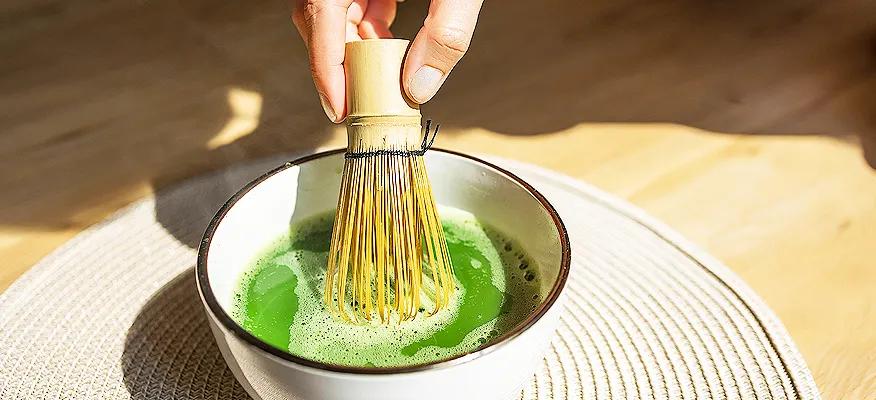
That vibrant green latte you've been craving might be calling your name, but now that you are expecting, every sip feels like a choice you need to think about.
Pregnancy brings a whole new lens to what we put in our bodies, and matcha for pregnant women is no exception. You're not overthinking it; you're being thoughtful.
Between morning sickness, fatigue, and endless advice from well-meaning relatives, the last thing you need is confusion about whether your favorite green drink ritual is safe for you and your baby.
What is matcha?
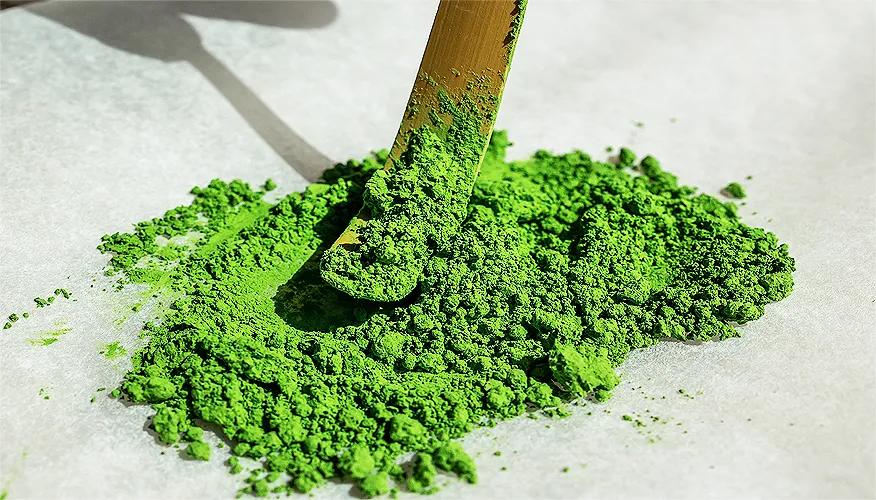
Matcha is not just another trendy green drink; it is an old tradition with some impressive nutritional credentials. This vibrant green powder comes from specially grown tea leaves that are shaded for weeks before harvest, then stone-ground into the finest powder you can imagine.
Here's what makes matcha unique: instead of steeping leaves like regular tea, you're actually consuming the entire leaf. Think of it like eating a whole apple versus just drinking apple juice—you get everything the plant has to offer.
The shading process is what gives matcha its signature bright green color and that slightly sweet, umami-rich taste that's so different from regular green tea. It also boosts the levels of chlorophyll and amino acids, making each sip more nutrient-dense than your average cup of tea.
Caffeine content in matcha
Before we talk about the safety of matcha during pregnancy, let's learn a little more about caffeine content.
A typical serving of matcha (about 1 teaspoon or 2 grams) contains about 64-70 mg of caffeine, though this can range from 25 mg to 80 mg, depending on how strong you make it and which brand you choose.
To put this in perspective:
- Regular green tea: ~30 mg per cup
- Matcha: 25-80 (typically 64-70) mg per serving
- Coffee: 95+ mg per cup
The range varies because different brands, preparation methods, and serving sizes all affect the final caffeine content. As you are consuming the whole leaf with matcha, you are getting more caffeine than you would from steeped green tea, but still less than that in most coffee drinks.
Is matcha safe during pregnancy?
One might wonder, is matcha safe for pregnancy? The short answer? Yes, when consumed in moderation, the key word being “moderation.”
The main concern with matcha during pregnancy isn't the matcha itself, but the caffeine it contains. Caffeine crosses the placenta and can affect your developing baby, so keeping track of your total daily intake becomes essential.
Most health experts agree that moderate matcha consumption fits well within pregnancy guidelines, as long as you're mindful of your total caffeine intake from all sources, including that morning coffee, afternoon chocolate, or occasional soft drink.
Your body processes caffeine differently during pregnancy, and what feels comfortable in your first trimester might feel too stimulating later on. Pay attention to how you feel and adjust accordingly.
Recommended caffeine limit in pregnancy
Health authorities, including the American College of Obstetricians and Gynecologists (ACOG), recommend keeping daily caffeine intake to 200 mg or less during pregnancy. This limit is based on research showing that higher caffeine intake can increase risks of miscarriage, preterm birth, and low birth weight.
This means you could enjoy 1-3 cups of matcha daily (depending on strength) and still stay within safe limits. However, it is important to note that this includes all caffeine sources throughout your day.
Quick caffeine math:
- 1 matcha serving: 25-80 mg
- 1 cup coffee: 95+ mg
- 1 square dark chocolate: ~12 mg
- 1 can cola: ~35 mg
Caffeine hides in unexpected places—chocolate, some medications, and even decaf coffee. When calculating your daily intake for matcha pregnancy safety, account for all sources.
Health benefits of matcha during pregnancy
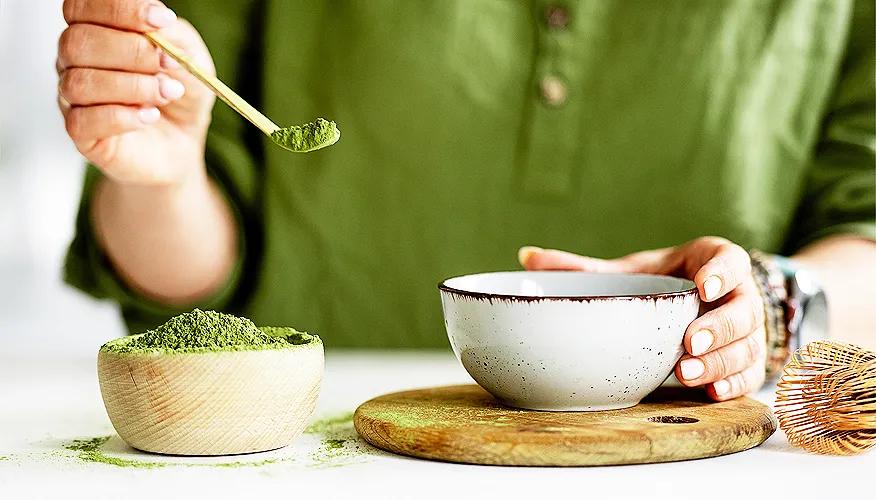
Is matcha good for pregnancy from a nutritional standpoint? Absolutely. While we can't make specific medical claims, matcha does offer some interesting nutritional components that might complement your pregnancy diet.
- Antioxidant powerhouse: Matcha is rich in catechins, especially EGCG, which help protect your cells from oxidative stress. Think of antioxidants as your body's natural defense system.
- Nutrient profile: Matcha contains vitamins A and C, plus iron, all important for immune function and fetal development. While it shouldn't be your primary source of these nutrients, every bit helps.
- L-theanine advantage: This amino acid, naturally present in matcha, may help balance out caffeine's stimulating effects. Many women find that matcha gives them energy without the jitters that coffee sometimes causes.
- Steady energy levels: Unlike the quick spike and crash from sugary drinks, matcha provides sustained energy that can help you power through those exhausting first-trimester days.
However, it's important to note that research specifically on matcha tea during pregnancy is limited. The potential advantages of matcha for pregnant women that we see are primarily based on general green tea research.
Risks and considerations
Even with its benefits, matcha isn't without considerations during pregnancy. Being informed about potential risks helps you make the best choice for your situation.
- Caffeine concerns: Pregnancy can make you more sensitive to caffeine's effects. You might find that your usual matcha serving now keeps you up at night or makes you feel anxious.
- Folate interference: Certain compounds in green tea (including matcha) may interfere with folate absorption. As folate is crucial for preventing neural tube defects, timing matters. Avoid drinking matcha with your prenatal vitamin or folate-rich meals.
- Quality matters: Not all matcha is created equal. Lower-quality products might contain trace amounts of heavy metals or pesticides. This is why choosing reputable brands becomes even more critical during pregnancy.
Safe tips for drinking matcha during pregnancy
Making matcha work for your pregnancy doesn't require giving it up entirely; it just requires being smart about it. Here's your practical guide to matcha for pregnant women:
- Portion control: Stick to 1-2 servings per day, especially if you have other caffeine sources in your diet. Keep a mental note of your total daily caffeine consumption. Many pregnancy apps have caffeine trackers that can help you stay within safe limits.
- Timing is everything: Space your matcha away from meals rich in folate or from taking your prenatal vitamins. A good rule of thumb is to wait at least 2 hours.
- Quality first: Choose high-quality, tested matcha from reputable brands. Yes, it might cost more, but your peace of mind is worth it.
- Listen to your body: Pregnancy changes how you process caffeine. If matcha makes you feel anxious or keeps you awake, consider reducing your intake or switching to an earlier time of day.
- Talk to your provider: Every pregnancy is different. If you have complications, take medications, or have concerns, discuss matcha consumption with your doctor.
Can you drink matcha lattes while pregnant?
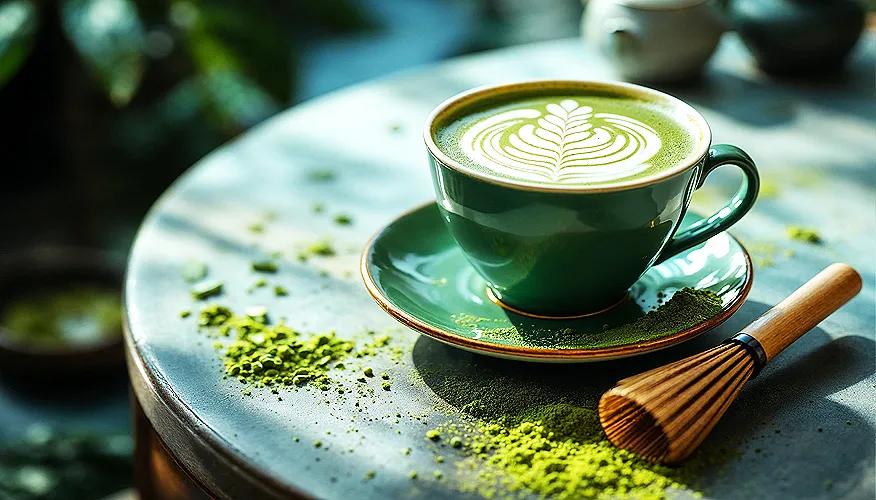
The Instagram-worthy matcha latte doesn't have to disappear from your pregnancy routine. Is matcha latte safe during pregnancy? Generally, yes—with a few considerations.
Matcha lattes combine matcha powder with milk (dairy or plant-based), which can actually be beneficial during pregnancy. The milk provides extra calcium and protein, both important for your growing baby. Just keep these points in mind:
- Portion awareness: Coffee shops often add more powder to matcha lattes than you'd use at home, which means more caffeine. A large matcha latte from your favorite café might contain closer to 80-100 mg of caffeine.
- Added ingredients: Many commercial matcha lattes contain added sugars or syrups. While not dangerous, these extra calories and sugar spikes might not be ideal during pregnancy.
- Milk benefits: The milk in matcha lattes adds calcium and protein, which are great for pregnancy. You can choose dairy or fortified plant-based alternatives based on your preferences.
- Make it at home: You will have better control over the matcha concentration and ingredients when you make lattes at home.
Matcha alternatives for pregnant women
If you decide to avoid caffeine entirely or want to reduce your intake, you have options that can still satisfy that ritual of a warm, comforting drink.
- Caffeine-free herbal teas: Ginger tea (great for morning sickness), peppermint (soothing for digestion), or rooibos (naturally sweet) can provide comfort without caffeine.
- Decaffeinated green tea: You'll get some antioxidants without the caffeine, though not as concentrated as matcha.
- Golden milk:Turmeric lattes made with warm milk and spices offer anti-inflammatory benefits and that creamy satisfaction.
Important note: Not all herbal teas are pregnancy-safe, so check with your healthcare provider before trying new varieties.
Matcha vs green tea during pregnancy
Both matcha and regular green tea come from the same plant (Camellia sinensis), but they're processed differently, which affects what you're getting in each cup.
Matcha advantages:
Matcha offers a more concentrated form of green tea, delivering a potent boost of nutrients and antioxidants in every sip.
- Higher concentration of antioxidants
- More complete nutrient profile
- Sustained energy release due to L-theanine
Read:Top Matcha Tea Benefits You Should Know About
Green tea advantages:
Traditional green tea provides a gentler option with flexibility in preparation, making it a lighter and often more accessible choice.
- Lower caffeine content per serving
- More preparation control (steeping time affects strength)
- Generally less expensive
The bottom line: Both can fit into a healthy pregnancy diet when consumed in moderation. Your choice might come down to personal preference, caffeine sensitivity, or budget considerations.
Read:Top 10 Green Tea Benefits For The Skin
Conclusion
Matcha for pregnant women doesn't have to be off-limits; it's all about smart, moderate consumption. Staying within the 200 mg daily caffeine limit, choosing quality products, and timing your intake away from folate-rich foods or supplements can help you safely enjoy this nutritious green powder throughout your pregnancy.
Every pregnancy is unique. What works for your friend might not work for you, and that's perfectly normal. Trust your body, stay informed, and don't hesitate to discuss your matcha habits with your doctor during your next visit.
Meet our expert

Meet our expert
She holds a Bachelor of Nutrition & Community Health with Distinction from Universiti Putra Malaysia and has been a dedicated healthcare professional since 2014. As the Customer Care Manager, she leads a team of skilled dietitians and nutritionists, committed to serving the community.

How was the experience with article?
We'd love to know!