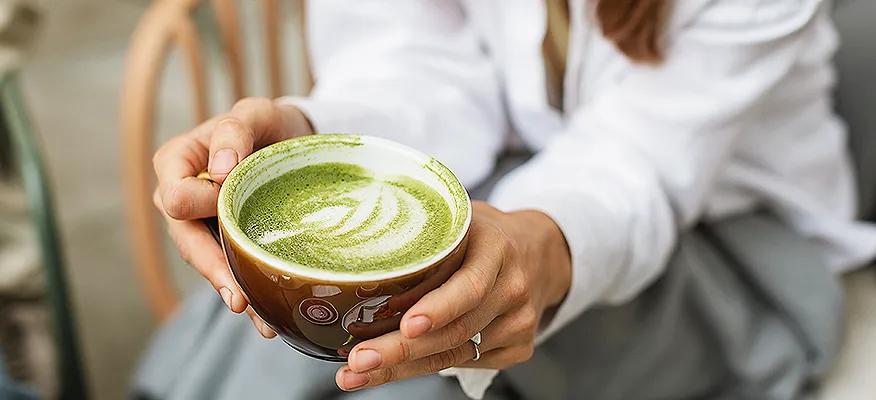
From matcha lattes to smoothie bowls, matcha green tea has taken the wellness world by storm. Its distinctive flavor, aroma, and health-promoting effects are highly valued around the world. But what exactly is matcha, and why is everyone obsessed with it?
Whether you are new to this vibrant green powder or already a fan, here is a breakdown of what matcha is made of, does matcha contains caffeine, and all the powerful matcha tea benefits you should know about.
Read on to know why you should include matcha tea as your BFF!
What is matcha and what is it made of?
Let’s start with the basics: What is matcha made of?
Matcha is a type of powdered green tea made from specially grown matcha leaves of the Camellia sinensis plant. Unlike regular green tea, where the leaves are steeped and then discarded, matcha involves consuming the entire ground leaf, giving you a concentrated dose of caffeine, vitamins, and fiber.
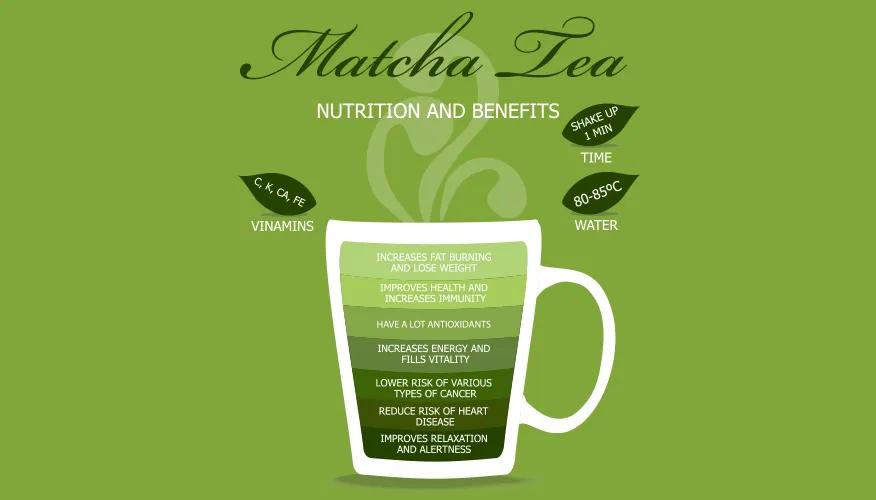
The tea plants are shade-grown for a few weeks before harvest, which boosts their chlorophyll (giving them a bright green color) and amino acid levels. After picking, the leaves are steamed, dried, and stone-ground into a fine, emerald-green powder. You can use matcha powder in tea, lattes, smoothies, and even baked goods.
Does matcha contain caffeine?
If you have ever wondered, "Does matcha contain caffeine?" Yes, it does. But before you worry, know this: matcha provides a more stable energy boost compared to coffee. The presence of L-theanine, a calming amino acid, helps offset the jitteriness of caffeine, giving sustained focus and calm energy rather than a sharp spike and crash.
Here's a caffeine comparison for one 8-ounce cup of each:
- Green tea: 23 milligrams (mg) to 49 mg caffeine
- Matcha: 38 mg to 89 mg caffeine
- Coffee: 100 mg to 120 mg caffeine
Is matcha healthy? Here's why people are loving it
- Green tea’s health benefits come from polyphenols and antioxidants (as powerful as vitamins C, E, carotene, and tocopherol), and it has anti-inflammatory potential.
- Studies show that tea’s strong antioxidant power comes from its high content of catechins, natural plant compounds that may help prevent cell damage and lower your risk of certain diseases.
- Green tea contains four main catechins, i.e., (−)-epicatechin (EC), (−)-epicatechin-3-gallate (ECG), (−)-epigallocatechin (EGC), and (−)-epigallocatechin-3-gallate (EGCG), of which the latter is the most active and abundant.
So, is matcha healthy? Yes, as it is packed with antioxidants, especially EGCG (epigallocatechin gallate) and phytochemicals (such as chlorophyll and quercetin) compounds linked to many health benefits.
Thanks to its nutrient-rich profile, matcha is more than just a trend; it's a wellness staple.
Top 15 Health Benefits of Matcha Tea
The Japanese powdered green tea, matcha, contains high amounts of substances with antioxidant and anti-inflammatory effects. It has promising potential health benefits due to a high concentration of catechins. With regular consumption, it may support the body’s efforts to maintain health and prevent disease.
The list of matcha tea benefits doesn’t stop at antioxidants. Here’s how it supports your overall health:
1. Rich in Antioxidants
One of the biggest reasons matcha is celebrated worldwide is its exceptionally high antioxidant content. Antioxidants are natural compounds that protect the body against damage from harmful molecules called free radicals, which can accelerate aging, weaken immunity, and contribute to chronic diseases.
Matcha is particularly rich in catechins, a type of antioxidant unique to green tea. Among these, epigallocatechin gallate (EGCG) is the most powerful and abundant. Studies suggest EGCG may help reduce inflammation, protect cells from DNA damage, and even play a role in lowering the risk of heart disease and certain cancers.
What makes matcha special is that you consume the entire tea leaf in powdered form, unlike regular green tea where the leaves are steeped and discarded. This means matcha provides up to 3 times more antioxidants than high-quality brewed green teas.
Antioxidants in matcha work to:
- Neutralize oxidative stress and free radical damage
- Support the body’s natural defense system
- Slow down signs of aging for healthier skin
- Protect against inflammation-related conditions like heart disease and diabetes
With just one cup of matcha, you’re fueling your body with a concentrated source of antioxidants that can support long-term health and overall vitality.
2. Boosts brain function
- Research has demonstrated that three constituents present in matcha tea- l-theanine, epigallocatechin gallate (EGCG), and caffeine- affect mood and cognitive performance.
- A study found that drinking a typical amount of matcha tea can slightly improve your focus and memory of past events, though the effects are mild.
- The L-theanine and caffeine in matcha boost focus, alertness, and productivity more effectively than either alone, while also helping to reduce stress.
- EGCG, a key compound in matcha, helps boost brain function, improve insulin sensitivity, and lower harmful amyloid-β production and buildup in the brain. This may reduce brain inflammation and help protect against diseases like Alzheimer’s.
- A recent randomized study of 42 participants aged 25 to 34 years examined the effect of matcha tea intake on acute psychological stress. It concluded that matcha might improve cognitive function during or after stress conditions in young adults.
3. Speeds up metabolism
- Matcha green tea is recommended in weight loss and fitness routines because it may help increase fat burning and support metabolism.
- A 2020 study supports the use of green tea for improving obesity indices. As matcha contains similar compounds to green tea, it aids in weight loss with diet and exercise.
- A recent meta-analysis concluded that caffeine may promote weight and fat loss, facilitating total Body Mass Index (BMI) reduction.
- Findings in an animal study suggest that matcha has beneficial effects through the suppression of blood glucose (BG) accumulation and the promotion of lipid metabolism and antioxidant activities.
4. Supports heart health
- A meta-analysis published in the European Journal of Nutrition found that the antioxidants catechins found in green tea help lower blood pressure and LDL ("bad") cholesterol levels. Rutin, a bioflavonoid found in matcha, also contributes to these effects.
- An in vivo study found that moderate to high levels of matcha resulted in a significant reduction of total cholesterol, triglycerides, and LDL levels, as well as an increase in HDL levels.
- Findings from the study suggest that the antioxidant EGCG exerts a protective effect on the heart muscle by preventing cardiac inflammatory changes and reducing oxidative stress.
5. Reduces inflammation
- Inflammation plays a role in many diseases and can lead to excess reactive oxygen species (ROS), which damage cells and worsen inflammation. Antioxidants and anti-inflammatory compounds help by neutralizing ROS and reducing this harmful cycle.
- Antioxidants in green teas, such as matcha, protect your cells against free radical damage. This can help lower inflammation and prevent some chronic health conditions, such as heart disease and diabetes.
- By regulating the inflammatory condition, EGCG also helps reduce the susceptibility to gallstone formation.
- EGCG supplementation may help reduce inflammation-related complications, like lung injury and dysfunction, after major heart surgery using a cardiopulmonary bypass.
6. Protection of the liver
The liver is essential for good health; it helps remove toxins, break down medications, and process nutrients your body needs.
Below are some studies proving that matcha tea benefits the liver.
- A recent in vivo study found that alternate consumption of matcha tea prevented the accumulation of visceral and hepatic fat and maintained normal liver functions.
- Another study found that Selenium-Enriched Matcha Tea showed the strongest preventive effects on Alcoholic fatty liver disease (AFLD).
- A study suggests that matcha supplementation helps prevent fat buildup in the liver and abdomen, lowers blood sugar and cholesterol, supports better liver function by boosting metabolism and key liver enzymes, and may be beneficial for non-alcoholic fatty liver disease (NAFLD).
Remember, always opt for pure green teas and high-quality matcha.
7. Protection against cancer
- Catechins in matcha, especially epigallocatechin-3-gallate (EGCG), may protect cells from DNA damage and slow tumor growth.
- EGCG inhibits tumour angiogenesis, has antioxidant effects, and suppresses the inflammatory processes. Consuming large amounts of EGCG may contribute to reducing the incidence of colorectal cancer, partly due to inhibiting tumor growth factors.
- Research also found that EGCG supplementation inhibits the growth and proliferation of gallbladder and bile duct cancer cells and decreases the risk of biliary duct cancer.
8. Anti-Inflammatory Effects
Chronic inflammation is linked to many health concerns, including arthritis, heart disease, diabetes, and even certain cancers. One of the most impressive benefits of matcha is its natural anti-inflammatory properties, thanks to its high concentration of antioxidants and plant compounds.
The key player is EGCG (epigallocatechin gallate), a powerful catechin in matcha that helps reduce the production of inflammatory molecules in the body. By calming inflammation at the cellular level, matcha may help ease symptoms such as joint pain, muscle soreness, and digestive discomfort.
Regular consumption of matcha can:
- Support joint health by reducing stiffness and swelling
- Protect heart health by lowering inflammation in blood vessels
- Aid post-workout recovery, easing muscle fatigue and soreness
- Promote gut health, as inflammation is often linked to digestive issues
Adding matcha to your daily routine is a simple way to fight hidden inflammation, which not only supports long-term disease prevention but also improves energy levels and overall well-being.
9. Immune System Support
A strong immune system is essential for protecting the body against infections, viruses, and chronic illnesses. Matcha tea offers excellent immune-boosting benefits, thanks to its rich content of catechins, antioxidants, vitamins, and minerals.
The catechin EGCG (epigallocatechin gallate), abundant in matcha, has strong antiviral and antibacterial properties that help defend the body against harmful pathogens. Matcha is also packed with vitamin C, selenium, zinc, and magnesium, all of which play vital roles in strengthening immunity.
Regularly drinking matcha can:
- Enhance the body’s defense mechanisms, making it more resilient against seasonal colds and flu
- Reduce oxidative stress, which weakens immunity over time
- Support the production of immune cells, such as T-cells and natural killer cells, that fight infections
- Maintain overall wellness, by lowering inflammation that can compromise immune function
By nourishing the body with these powerful nutrients, matcha tea acts as a natural shield, helping you stay healthy, energized, and protected year-round.
10. Promotes Natural Detoxification
Matcha tea is shade-grown before harvest, which significantly increases its chlorophyll content, giving it its vibrant green color and powerful detoxifying properties. Chlorophyll helps the body eliminate heavy metals, toxins, and other harmful substances by supporting the liver’s natural cleansing processes. Drinking matcha regularly may promote healthier liver function and overall detoxification, making it a natural way to cleanse the body while also supporting long-term health.
11. Supports Skin Health and Anti-Aging
Matcha is rich in antioxidants, particularly catechins and polyphenols, that protect the skin from free radical damage caused by UV rays, pollution, and aging. These antioxidants help maintain youthful, glowing skin while slowing down the appearance of wrinkles and fine lines. Some research suggests that polyphenols in green tea may also reduce acne and calm skin inflammation, making matcha beneficial not only for anti-aging but also for improving skin conditions and maintaining a radiant complexion.
12. Provides Calm Energy and Stress Relief
One of matcha’s unique qualities is its ability to provide steady energy without the jittery side effects of coffee. This is thanks to L-theanine, an amino acid that promotes relaxation, reduces stress, and enhances mental clarity. L-theanine works synergistically with caffeine in matcha to provide a calm, focused energy boost that lasts for hours. Unlike coffee, which can cause sudden spikes and crashes, matcha helps balance the nervous system, making it both energizing and soothing at the same time.
13. Supports Digestive Health
Matcha tea contains a modest amount of dietary fiber, which supports digestion and helps regulate bowel movements. Its natural compounds may also promote a balanced gut microbiome by supporting the growth of beneficial bacteria, which plays a vital role in overall digestive health. Drinking matcha regularly may help reduce bloating, improve nutrient absorption, and support smoother digestion, making it a gentle yet effective drink for gut wellness.
14. Helps Maintain Strong Bones
Though less commonly discussed, matcha tea may also support strong and healthy bones. Green tea catechins found in matcha have been shown in studies to reduce bone loss and help improve bone mineral density, which is especially important as people age. Regular matcha consumption may therefore contribute to lowering the risk of osteoporosis and maintaining bone strength in older adults, adding another dimension to its health benefits.
15. Promotes Better Oral Health
Matcha is also beneficial for oral hygiene. The catechins it contains have natural antibacterial and antimicrobial properties that help fight harmful bacteria in the mouth. This can reduce plaque buildup, combat bad breath, and lower the risk of gum disease. Drinking matcha may therefore not only improve internal health but also contribute to a fresher breath and healthier smile, making it a supportive addition to daily oral care routines.
Matcha latte benefits you will love
Can’t get enough of matcha lattes? There is good news for matcha lovers. There are real matcha latte benefits.
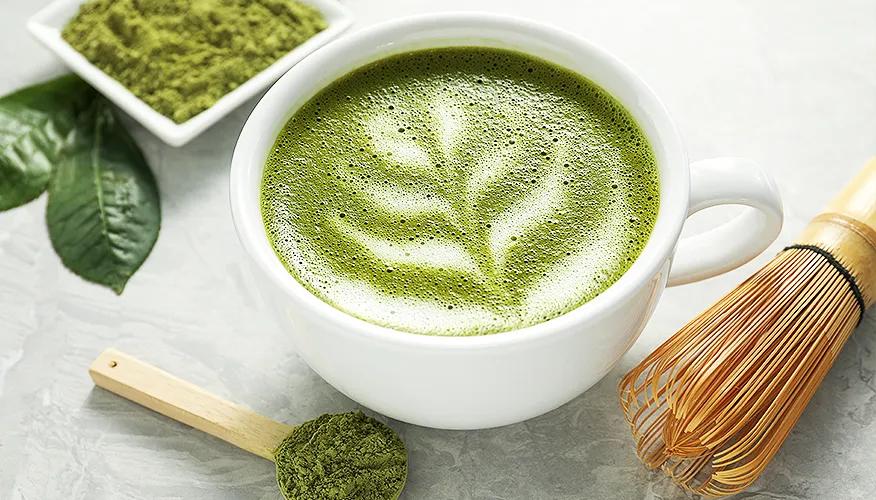
A half teaspoon (1 gram) of matcha powder contains:
- Calories: 3
- Protein: 1 gram
- Fat: 0 grams
- Carbohydrates: 0 grams
- Fiber: 1 gram
- Sugar: 0 grams
When combined with milk or plant-based alternatives like coconut/oat/almond milk, matcha lattes offer:
- Antioxidant power in a creamy, comforting drink
- An easy way to reduce coffee intake
- Easy digestion in lactose-intolerant people (especially with oat or almond milk)
How to enjoy matcha tea daily
Incorporating matcha into your routine is simple. Here are a few ideas:
- Add matcha powder to a cup of hot water and mix it with a bamboo whisk for a traditional tea
- Make a morning matcha latte with your favorite plant-based milk
- Blend it into smoothies or energy balls
- Add it to baked goods like cookies, brownies, or cupcakes for a pop of color and flavor
- Whisk it into a homemade salad dressing
- Add it to your morning oatmeal or yogurt
- Sprinkle a few tablespoons on some popcorn
- Make a matcha spice blend with garlic powder, pepper, paprika, and sea salt
- Try it in desserts such as matcha ice cream or cookies
For the best quality, choose ceremonial-grade matcha; it’s vibrant green, smooth in flavor, and made from the finest matcha leaves.
Note:Research has suggested that 338 mg of EGCG per day is safe for adults to consume. The amount is around 4 g of matcha or 2 level teaspoons. To be safe, always choose certified organic versions and consume matcha in moderation (1–2 cups per day).
Conclusion
Matcha is low in calories and is savored by many. So, is matcha healthy? Absolutely. With its powerful list of benefits, such as improved focus, metabolism, heart health, and antioxidant protection, matcha tea is a great addition to any wellness routine. You get your caffeine, with added matcha tea benefits.
Health freaks consider it healthier, as it provides approximately 3 times more antioxidants than other high-quality teas. Whether you enjoy it in lattes, smoothies, or traditional tea form, adding matcha to your day is a delicious way to fuel your body and mind. If you have any health conditions, talk to your healthcare provider before starting matcha, as it contains caffeine and has the potential to interact with medications.
Ready to make the switch? Your cup of matcha green tea is waiting.
Meet our expert

Dr. Lozynska Liudmyla Yaroslavivna
Psychiatry & Psychotherapy
Ukraine
Dr. Lozynska Liudmyla YaroslavivnaMeet our expert
She graduated from Lviv National Medical University. She has a specialization in psychiatry and psychotherapy. She have published scientific articles: “Anemia of Pregnant Women”; “Urinary Tract Infections”.



How was the experience with article?
We'd love to know!