Have you ever had a sharp pain in your chest and brushed it off, saying, “It's probably heartburn”? Then make time to pay attention to how you are feeling. Silent heart attacks are the health scare you never see coming, and that's what makes them so dangerous.
Unlike traditional heart attacks that come with unmistakable chest pain, silent heart attacks sneak in with mild or no symptoms. It happens when blocked arteries reduce oxygen supply to the heart, causing serious damage without obvious symptoms.
Silent myocardial infarction (SMI) is a type of myocardial infarction (MI) that is asymptomatic or demonstrates mild symptoms, and patients often do not seek medical treatment. Ignoring it could increase your risk of cardiovascular disease, heart failure, and even death.
Let’s break down what you need to know about this silent killer.
What Is a Silent Heart Attack?

- A silent heart attack, medically known as a "silent ischemia” or a “silent myocardial infarction," occurs when the blood supply to part of the heart is blocked and the reduced blood and oxygen flow damages the heart.
- According to the American Heart Association, the symptoms of a silent heart attack can include indigestion, feeling like you have a strained muscle in the chest or upper back, or prolonged, excessive fatigue.
- Many people only discover it after undergoing an electrocardiogram or imaging test, such as an echocardiogram or cardiac MRI.
- A silent heart attack raises the risk of a heart attack (potentially deadly) and complications like heart failure.
- Researchers estimate 22% to 60% of heart attacks are silent, often affecting women and people with diabetes.
What are the Symptoms of a Silent Heart Attack?
- Silent heart attacks cause mild or no symptoms, so you may not realize one has happened.
- Silent heart attack symptoms can mimic the flu, sore muscles, jaw or back pain, extreme fatigue, or indigestion.
Who Is at High Risk?
- The risk factors are the same as typical as those of cardiovascular disease, age, diabetes, excess weight (BMI, or body mass index, of 25 or more), family history, high blood pressure, high cholesterol, inactivity, past heart attack, preeclampsia during pregnancy, COVID-19 or another infection, and tobacco use.
- In diabetics, nerve damage (neuropathy) can mask pain, making heart attacks harder to detect.
- Women often experience milder or vague symptoms that are easily mistaken for stress or fatigue.
The Biggest Warning Sign: Unusual Fatigue

We all feel tired from time to time. But unusual fatigue that leaves you exhausted even after a full night's sleep or makes small tasks like walking or climbing stairs difficult, could be your heart waving a red flag.
Doctors warn that this kind of “deep, unexplained tiredness” is a key indicator of poor heart function, possibly caused by restricted blood flow or an unnoticed past attack.
Why Fatigue Is Often Overlooked?
This fatigue is sneaky. It doesn’t feel like a sharp pain or breathlessness, so most people brush it off as stress, overwork, or aging. But when your heart isn’t pumping efficiently, your body doesn’t get enough oxygen and nutrients, leaving you feeling constantly drained.
Women spend so much of their time taking care of other people that they ignore their pain and the signs of a looming issue.
Other Subtle Symptoms You Shouldn’t Ignore
- Watch for mild chest pressure, shortness of breath, or pain in the jaw, back, or arms.
- Other signs include dizziness, cold sweats, indigestion, nausea, sleep disturbances, and reduced exercise tolerance.
Cardiovascular Disease and the Silent Threat
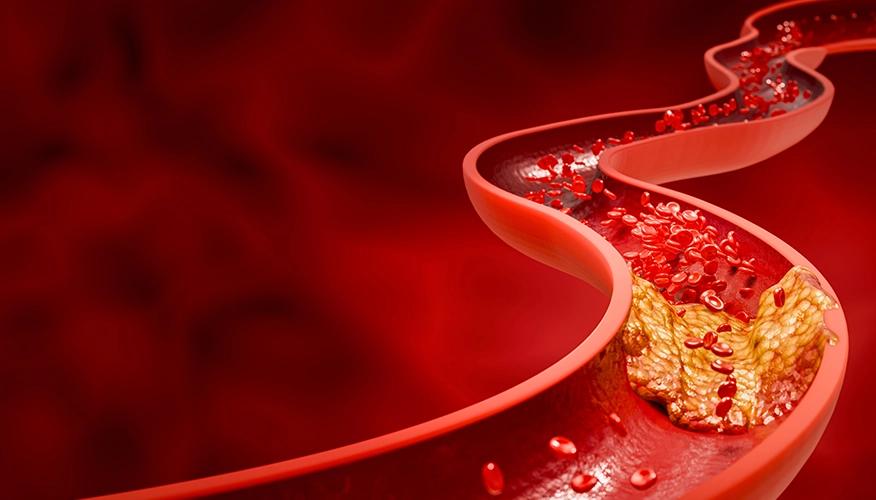
A silent heart attack isn’t just a one-time scare. It’s often a sign that you have underlying cardiovascular disease, a progressive condition that narrows or blocks blood vessels and weakens the heart muscle.
- If untreated, this can lead to more serious heart events like abnormal heart rhythms or heart failure, chronic chest pain, or reduced blood supply to vital organs.
- Also, researchers have found a link between silent heart attacks and ischemic strokes.
- According to a 2018 study in the Journal of the American College of Cardiology, people who have had a silent heart attack have a 35% higher risk of developing heart failure compared to those with no signs or risk of a heart attack.
The Importance of Managing High Blood Pressure
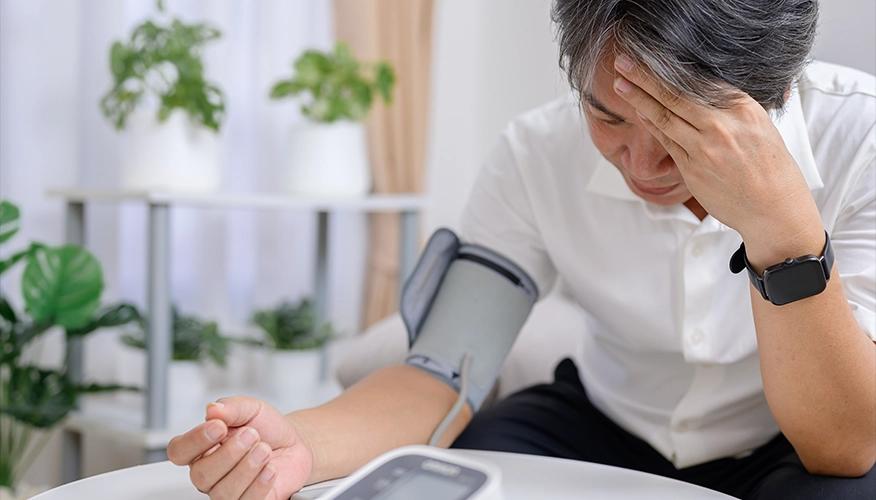
- High blood pressure, or hypertension, silently damages your arteries over time, making them less elastic and more prone to blockage.
- It is one of the leading contributors to both the risk of a heart attack and heart failure.
- Monitoring your blood pressure, reducing salt intake, staying active, and taking prescribed medications can help protect your heart.
Protecting Against Silent Heart Attacks
In the long run, silent heart attacks appear to be just as deadly as diagnosed ones.
- A 2018 study in JAMA Cardiology found that participants with a silent heart attack fared progressively worse over time. After 10 years, about half of them had died, the same death rate as participants who had a recognized heart attack.
- Experts stress the need to educate the public about the more subtle symptoms of a heart attack and not to ignore them. Seeking early medical attention is important.
Waiting for a “dramatic symptom” is a mistake. Catching or preventing a silent heart attack means being proactive:
- Get regular heart check-ups, especially if you're over 40 or at risk
- Watch for unusual fatigue or changes in how you feel
- Use a fitness tracker to monitor heart rate and activity
- Trust your gut. If something feels off, see a doctor.
Lifestyle Habits to Reduce the Risk of a Heart Attack

Your heart health is in your hands more than you think. Make these lifestyle tips part of your routine:
- Eat heart-friendly foods (leafy greens, oats, fruits, and healthy fats)
- Exercise for at least 30 minutes on most days
- Quit smoking and limit alcohol
- Prioritize sleep and manage stress
- Keep medical conditions like diabetes and high blood pressure in control
- Take the best supplements for heart health
- Deep breathing helps lower blood pressure
- Even walking daily and drinking enough water can make a difference.
Conclusion
The heart works relentlessly to keep your body running! Cardiovascular disease is one of the leading causes of death in both men and women globally. The signs are often silent in many, causing a delay in diagnosis.
You may not be at risk of a heart attack, but you should heed your unusual fatigue, as it might be the only hint you get. Understanding the risks, especially if you have high blood pressure or a family history of cardiovascular disease, can help you prevent serious consequences like heart failure.
Be kind to your heart. Always listen to your body. Amp up your lifestyle. And never ignore the signs, even the quiet ones.
Meet our expert

Meet our expert
Dr. Irina Borisovna Stefanenko, a medical doctor based in Ukraine, graduated from Vinnitsa State Medical University in 1995. Between 1995 and 2000, Dr. Stefanenko pursued postgraduate studies and engaged in scientific activities at Vinnytsa Medical University in Ukraine.

How was the experience with article?
We'd love to know!