
You’re at the peak of your fitness routine, dutifully hitting the gym or taking long walks, and suddenly, a pang of pain derails your progress. Exercise is a crucial part of our well-being, but sometimes, it can lead to discomfort or even intense pain. Can you relate?
Exercise-induced pain can often feel like an unwelcome guest, showing up uninvited just when you’re starting to enjoy your fitness journey.
If this sounds familiar, you’re certainly not alone. Many of us encounter this kind of pain at some point, disrupting our otherwise healthy lifestyle.
So, why does exercise-induced pain occur despite our best efforts to stay fit? And more importantly, how can we manage it with the right nutritional choices?
In this blog, we’ll explore these burning questions and provide valuable insights into the role of nutrition in managing exercise-induced pain.
Stay with us as we journey together through the world of nutrients and their impact on our body, especially when we're pushing it to the limit!
The connection between nutrition and exercise-induced pain
Ever wondered how what you eat can impact your exercise routine and recovery?
Well, nutrition plays a crucial role in how your body responds to physical activity. The food you consume provides the fuel your body needs to perform and recover after workouts, with the nutrients in your diet aiding in muscle repair and growth.
Strenuous exercise can cause microscopic damage to muscle fibers. This damage can lead to inflammation and pain, commonly known as exercise-induced pain. Eating a balanced diet rich in anti-inflammatory foods and essential nutrients can help reduce this inflammation and alleviate exercise-induced pain.
Now, let's understand this in a little more detail. Eating the right foods can help repair muscle tissues faster and limit the inflammatory response.
On the flip side, consuming processed foods or those high in sugar can increase inflammation.
Thus, maintaining a healthy diet is not just about aiding weight loss or building muscles but also about managing pain post-workout.
Foods that fight inflammation
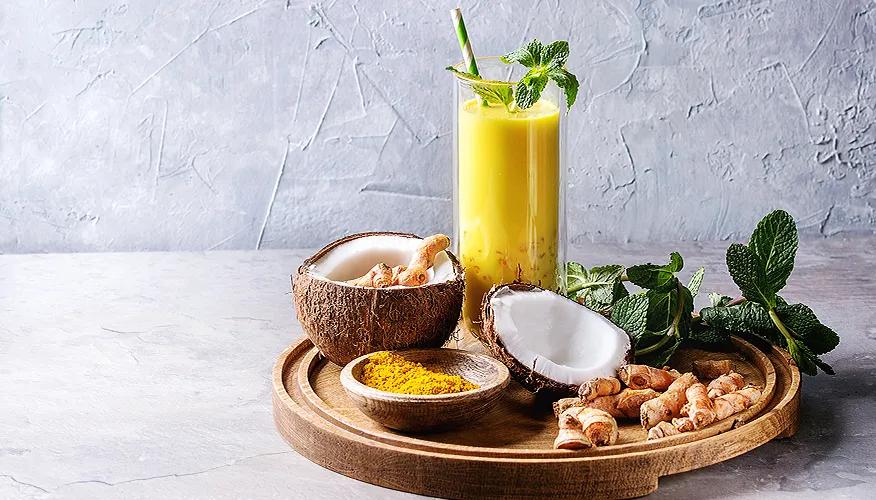
If you’re looking to combat inflammation naturally, your kitchen might already be stocked with some powerful allies.
These common items boast anti-inflammatory properties and can easily be incorporated into your daily diet:
1. Berries
- Berries like strawberries, blueberries, and raspberries are not only delicious but also packed with nutrients.
- They contain high levels of antioxidants, particularly anthocyanins, which possess strong anti-inflammatory properties.
- Adding a handful of berries to your morning cereal or yogurt can provide a tasty and nutritious anti-inflammatory boost.
2. Broccoli
- Broccoli is a nutritional powerhouse known for its abundance of vitamins, minerals, and antioxidants.
- It contains compounds like sulforaphane, which have been shown to combat inflammation in the body.
- Including broccoli in your meals, whether steamed, roasted, or added to salads, can contribute to your anti-inflammatory diet.
3. Avocados
- Avocados are renowned for their creamy texture and rich flavor, but they also offer numerous health benefits.
- They are packed with heart-healthy monounsaturated fats, fiber, and antioxidants like vitamin E.
- These nutrients work together to reduce inflammation and promote overall well-being.
- Incorporating avocados into salads, sandwiches, or smoothies can be an easy way to harness their anti-inflammatory properties.
4. Turmeric
- Turmeric is a vibrant yellow spice commonly used in cooking, particularly in Indian cuisine.
- It contains curcumin, a compound with potent anti-inflammatory and antioxidant properties.
- Adding turmeric to curries, soups, or smoothies can provide a flavorful and healthful boost to your meals.
5. Ginger
- Ginger is another spice renowned for its anti-inflammatory effects. It contains gingerol, a bioactive compound that has been shown to reduce inflammation in the body.
- Incorporating fresh ginger into teas, stir-fries, or salad dressings can add a zesty kick and promote overall health.
6. Nuts and seeds
- Nuts and seeds, such as almonds, walnuts, chia seeds, and flaxseeds, are packed with healthy fats, fiber, and antioxidants.
- They also contain alpha-linolenic acid (ALA), a type of omega-3 fatty acid with anti-inflammatory effects.
- Snacking on a handful of nuts or incorporating seeds into oatmeal or yogurt can help reduce inflammation and promote heart health.
7. Green tea
- Green tea is renowned for its numerous health benefits, including its anti-inflammatory properties.
- It contains catechins, powerful antioxidants that help combat inflammation in the body.
- Enjoying a cup of green tea daily can be a soothing and healthful addition to your anti-inflammatory regimen.
How proper hydration helps
You've probably heard it a million times - "Stay hydrated!" But why is it so important, especially when exercising?
Water is the main component of our bodies, and it's responsible for many crucial functions, such as transporting nutrients and oxygen to cells, lubricating joints, and regulating body temperature.
When we sweat during exercise, we lose a significant amount of water. This loss can lead to dehydration if not replenished, which may increase the risk of muscle cramps and fatigue. Moreover, staying well-hydrated helps reduce inflammation and aids in speedy recovery post-workout.
So what's the bottom line?
Whether you're an athlete or a fitness enthusiast, staying hydrated should always be your top priority.
Aim to drink at least 8-10 glasses of water per day and even more if you're exercising intensively.
Tailoring your diet for workout recovery
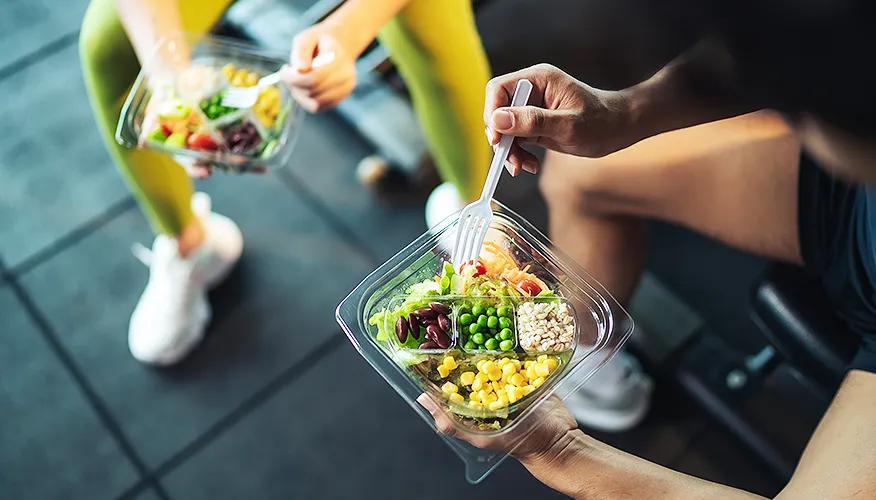
Customizing your diet to complement your workout routine can play a significant role in managing exercise-induced pain and promoting optimal recovery.
Here’s how you can customize your diet before, during, and after your workout sessions:
1. Pre-workout nutrition
A balanced meal consumed before your workout can provide your body with the necessary fuel to optimize performance and reduce the risk of pain during exercise. Aim for a combination of complex carbohydrates, lean protein, and healthy fats:
- Complex carbohydrates: Choose carbohydrates that release energy slowly, such as whole grains, fruits, and vegetables. These will provide sustained energy throughout your workout.
- Protein: A moderate amount of protein in your pre-workout meal can help support muscle repair and growth. Choose sources like lean meats, fish, eggs, or legumes.
- Healthy fats: Incorporating healthy fats from sources like nuts, seeds, avocados, or olive oil can help provide long-lasting energy and support overall health.
2. Hydration during exercise
- Staying adequately hydrated during your workout is essential for maintaining performance and minimizing exercise-induced pain.
- Sip on water regularly throughout your session to replenish fluids lost through sweat.
- For longer workouts or intense exercise sessions, consider incorporating electrolyte-rich beverages or snacks to maintain electrolyte balance and energy levels.
3. Post-workout recovery
After completing your workout, prioritize refueling your body with nutrient-dense foods that support muscle recovery and growth:
- Protein-Rich Foods: Consuming protein post-exercise is crucial for repairing and rebuilding muscle tissue. Choose high-quality protein sources such as tofu, tempeh, beans, or lentils.
- Carbohydrates: Replenishing glycogen stores with carbohydrates post-workout can help restore energy levels and promote recovery. Opt for nutrient-dense carbohydrate sources such as whole grains, fruits, vegetables, and legumes.
- Hydration: Continue to hydrate adequately post-workout to replace fluids lost during exercise and support optimal recovery.
By customizing your diet to include the right balance of nutrients before, during, and after your workouts, you can effectively manage exercise-induced pain, support muscle recovery, and optimize performance. Remember to listen to your body’s cues and adjust your nutrition plan accordingly to meet your individual needs and fitness goals.

Conclusion
The significance of nutrition in managing exercise-induced pain cannot be overstated.
By understanding the connection between what we eat and how our body responds to different nutrients, we can make conscious dietary choices to mitigate discomfort and enhance performance.
Incorporating anti-inflammatory foods, staying well-hydrated, and tailoring your diet for workout recovery are all essential strategies to manage pain and aid recovery.
While it's crucial to consult with healthcare professionals or dietitians for personalized advice, these general tips can provide a good starting point for anyone looking to reduce exercise-induced pain and improve their overall health.
After all, the journey to wellness is not only about how much we move but also what fuels our movements.
Meet our expert
.webp&w=1920&q=75)
Meet our expert
Dr. Kulyk Alexander Petrovich is a Ukraine-based gynecologist, with extensive experience in women's health. In 1995, he graduated from the Kyiv Medical University, and specialized in gynecology. He then went on to work as a gynecologist in the Institute of Pediatric, Obstetrics and Gynecology in Kyiv, where he worked until the year 2000.



How was the experience with article?
We'd love to know!