
Vitamin D may help relieve chronic pain by supporting bone health, reducing inflammation, and improving muscle function.
‘Oh no, not again!’ Do you find yourself uttering this line too often when an unexpected wave of body pain hits you? Trust us, you’re not alone!
It’s like a nagging companion that doesn't know when to take a hint and leave. From neck pain that feels like you're carrying the weight of the world on your shoulders to lower backache that makes it seem impossible to stand straight, chronic pain can truly disrupt the harmony of our daily lives.
What if we told you there might be a simple way to tackle this persistent problem? No, we're not talking about popping a pill every time discomfort strikes. We're hinting at something natural, something that our bodies are very familiar with—vitamin D.
That's right! The "sunshine vitamin," as we fondly call it, may have more to do with pain relief than we've ever imagined. This blog is all set to shed light on this fascinating connection between Vitamin D and pain relief. So stick around, and let’s illuminate this exciting pathway to potential pain-free days together!

Role of Vitamin D in the Body
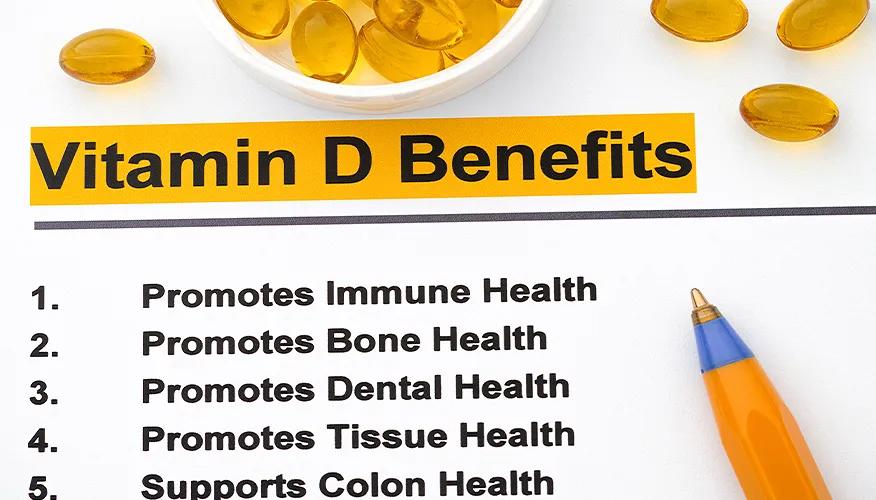
The first thing we need to do is understand the role that Vitamin D plays in our bodies. Vitamin D is a crucial nutrient that our bodies require for various functions. Primarily, it aids in maintaining strong and healthy bones by helping the body absorb calcium from the food we eat.
That's not all; Vitamin D also lends a hand in:
- Strengthening our immune system: It helps our bodies fight off bacteria and viruses, thereby keeping infections at bay.
- Supporting muscle function: It's essential for maintaining good muscle health.
- Ensuring heart health: Vitamin D also plays a role in regulating blood pressure and supporting cardiovascular health.
Without sufficient vitamin D, our bodies could face serious health issues like weak bones (rickets in children and osteoporosis in adults), fatigue, and even depression.
Link Between Vitamin D and Pain Relief
Now that we understand vitamin D’s role in our bodies, let’s explore something quite fascinating: the surprising link between vitamin D and pain relief.
- Research shows that low levels of vitamin D might be connected with chronic pain conditions. Chronic pain is a complex and multifaceted health issue that affects millions of people worldwide.
- Conditions such as fibromyalgia, chronic back pain, and osteoarthritis have been linked to deficiencies in vitamin D. Patients with these conditions often have lower levels of vitamin D compared to the general population, suggesting a possible correlation.
- It's believed that vitamin D can influence pain perception and sensitivity. The exact mechanisms are still being studied, but one theory is that vitamin D plays a role in modulating pain receptors and the inflammatory response.
- Vitamin D receptors are found in many tissues, including the brain and spinal cord, and they are critical in processing pain signals. By interacting with these receptors, vitamin D may help reduce the sensitivity of pain pathways.
- Another aspect of vitamin D’s role in pain relief involves its effect on the immune system. Vitamin D is known to have anti-inflammatory properties, which can be crucial in conditions where inflammation is a significant contributor to pain. By reducing inflammation, vitamin D can potentially decrease pain and improve overall health.

Types of Pain Vitamin D May Help Relieve
Vitamin D appears to have a broader impact on our health than we might expect. Some types of pain that could potentially be alleviated by maintaining adequate levels of Vitamin D include:
1. Chronic back pain
- Chronic back pain is a prevalent issue that can severely impact one's quality of life.
- Vitamin D contributes to bone strength and muscle function, which are crucial for a healthy back.
- By supporting the structural integrity of bones and enhancing muscle performance, vitamin D may help reduce the intensity and frequency of back pain.
2. Osteoarthritis Joint Pain
- Osteoarthritis involves the degeneration of joint cartilage and underlying bone, leading to pain and stiffness, especially in older adults.
- Vitamin D helps regulate calcium and phosphate in the body, necessary for maintaining healthy bones and joints.
- Its anti-inflammatory properties can also soothe joint inflammation, potentially easing the pain and improving mobility for those with osteoarthritis.
3. Fibromyalgia Pain
- Fibromyalgia is characterized by widespread musculoskeletal pain, fatigue, and localized tenderness.
- Vitamin D may help manage this condition by influencing pain receptors and reducing overall inflammation in the body.
- Adequate vitamin D levels can help mitigate some of the chronic pain and discomfort associated with fibromyalgia.
4. Neuropathic pain
- Neuropathic pain, often described as burning or tingling sensations, arises from nerve damage.
- Conditions like diabetes or injuries can lead to this type of pain. Vitamin D, by supporting nerve health, might help modulate nerve function and reduce the pain sensations experienced. Ensuring sufficient vitamin D can, therefore, be beneficial in managing neuropathic pain.
5. Headaches and Migraine Pain
- Frequent headaches and migraines are debilitating and can severely disrupt daily life. Vitamin D supports overall neurological health and can reduce inflammation that might contribute to headaches.
- By maintaining optimal levels of vitamin D, individuals might experience fewer and less severe headaches and migraines.
How to Increase Vitamin D for Pain Relief
Proper vitamin D intake is essential for maintaining overall health, including bone strength, immune function, and pain management.
There are three main routes to ensure adequate vitamin D levels: sunlight, diet, and supplementation. Here’s how you can incorporate these into your routine:
1. Sunlight Exposure
Our skin synthesizes vitamin D when exposed to ultraviolet B (UVB) rays from sunlight. Here are some tips to maximize vitamin D production from sunlight:
- Aim for Regular Exposure: Try to get 10-30 minutes of midday sun exposure several times a week. This timeframe can vary based on your skin type, location, and the time of year.
- Expose Large Skin Areas: Wearing short sleeves or shorts can increase the amount of skin exposed to sunlight, enhancing vitamin D synthesis.
- Be Mindful of Sun Protection: While sun exposure is beneficial for vitamin D production, it’s essential to balance it with skin cancer risk. Use sunscreen after the initial 10-30 minutes to protect your skin from harmful UV rays.
2. Vitamin D-Rich Foods
Certain foods naturally contain vitamin D or are fortified with it. Including these in your diet can help boost your vitamin D levels:
Fortified Foods: Many foods are fortified with vitamin D, including milk, cereals, orange juice, and plant-based milk alternatives like almond or soy milk.
3. Vitamin D Supplements
Sometimes, getting enough vitamin D from sunlight and food alone isn’t possible, especially in winter months or for individuals with limited sun exposure. In such cases, supplements can help:
- Consult a Healthcare Provider: Before starting any supplement, it’s essential to consult with a healthcare provider to determine the appropriate dosage based on your individual needs.
- Types of Supplements: Vitamin D supplements are available in two forms: D2 (ergocalciferol) and D3 (cholecalciferol). Vitamin D3 is typically more effective at raising vitamin D levels in the blood.
- Dosage: Follow your healthcare provider's dosage recommendations to avoid potential toxicity from excessive vitamin D intake.
Precautions when using vitamin D for pain relief
While vitamin D is crucial for our bodies, it's equally important to remember that more isn't always better.
Taking too much vitamin D can lead to vitamin D toxicity, which can cause nausea, vomiting, weakness, and even kidney problems.
Here are some precautions you should take:
- Do not self-prescribe: Always consult a healthcare provider before starting any new supplement regimen.
- Monitor your levels: Regular blood tests can help keep track of your vitamin D levels and adjust the dosage if needed.
- Be aware of interactions: Vitamin D could interact with certain medications. Discuss with your healthcare provider if you're on any medication.
Conclusion
In conclusion, the correlation between vitamin D and pain relief is an exciting area of research that has the potential to greatly improve the quality of life for many people suffering from chronic pain.
While more research is needed to understand this relationship fully, it's clear that maintaining adequate levels of vitamin D is important for overall health and well-being.
Remember, before starting any new dietary supplement or making significant changes to your diet, it's always best to consult your doctor. They can help determine what’s best for your specific needs and health goals. Vitamin D can be a powerful ally in managing pain, but like anything, it should be used mindfully and responsibly.
Meet our expert

Meet our expert
Dr. Inna Anatolyivna Kirilyuk graduated from Vinnytsia National Medical University in 2008, marking the inception of her remarkable journey in healthcare. Following her graduation, Dr. Kirilyuk embarked on a path of continuous learning and specialization.



How was the experience with article?
We'd love to know!