
Do you often feel bloated, irritable, exhausted, or overly emotional? It could be a sign your hormones need attention.
Hormones are your body’s silent messengers, managing everything from your mood and metabolism to sleep, stress, and reproductive health. But when they fall out of balance, you may experience fatigue, mood swings, weight gain, irregular periods, or even fertility issues.
Hormonal and insulin changes during perimenopause can impact almost every part of a woman’s life. The good news? The right vitamins for hormonal imbalance can support your body’s ability to restore balance naturally. Read on to learn how to correct a hormonal imbalance naturally.

What causes hormonal imbalance
- Hormones are chemical messengers that travel through your blood, directing organs and tissues on what to do and when.
- They are produced by glands in the endocrine system and regulate metabolism, growth, mood, reproduction, sleep, and other bodily functions, and are essential for overall health.
- Hormonal imbalances can be caused by stress, aging, poor nutrition, sleep deprivation, birth control, thyroid issues, or even underlying medical conditions like PCOS. These imbalances often disrupt estrogen, progesterone, cortisol, and insulin levels, impacting both your physical and mental well-being.
Why are vitamins required?
Vitamins and hormones correlate. Let’s know how:
- Vitamins and minerals are crucial building blocks in the production, regulation, and detoxification of hormones.
- Without adequate nutrients, your endocrine system can’t function optimally, making it harder to correct hormonal imbalances.
- This is where hormone vitamins step in to fill nutritional gaps and help you feel like yourself again.
Top vitamins that help correct hormonal imbalance

Let’s explore the best vitamins to balance hormones for females, especially those who struggle with symptoms like low energy, irregular cycles, or mood issues.
1. Vitamin D (The Sunshine Vitamin)
- Often called a pro-hormone, Vitamin D plays a key role in regulating estrogen and testosterone.
- Low vitamin D levels are often linked to PCOS, a condition marked by hormone imbalances. Studies show most people with PCOS have suboptimal or deficient vitamin D levels.
- Some studies link vitamin D deficiency to insulin resistance. While the exact connection isn’t clear, vitamin D may help reduce inflammation, a key risk factor for insulin resistance.
- Vitamin D deficiency is common in women of reproductive age. Animal studies suggest it may impact reproduction by reducing fertility.
Tip: 10–30 minutes of sunlight and a supplement (if needed) may help correct a hormonal imbalance naturally.
2. Vitamin B Complex
- Vitamins B2, B5, and B6 support hormone balance. B2 helps regulate thyroid hormones, B5 aids in steroid hormone production, and B6 is essential for melatonin synthesis.
- Folic acid, a B vitamin, may help boost progesterone levels, thereby regulating periods and supporting regular ovulation.
- Research suggests that taking folic acid (FA) supplements before getting pregnant is linked to having more regular menstrual cycles, especially in women aged 18–30, those who haven't had children yet, and those who took both folic acid and multivitamins.
- Vitamin B12 supplementation may improve thyroid function for some. A study of 130 people found that 46% of those with Hashimoto’s thyroiditis also had a vitamin B12 deficiency.
Use it when: You feel moody, fatigued, or struggle with PMS.
3. Vitamin E
- This antioxidant-rich vitamin supports estrogen balance and relieves PMS, breast tenderness, and menstrual cramps.
- It also helps improve skin health during hormonal changes.
- Animal studies suggest vitamin E supplementation has beneficial effects on gynaecological health and reproductive-related diseases.
- Research suggests that Vitamin E may help reduce hot flashes, improve blood flow, support heart health, and ease vaginal dryness in postmenopausal women. It can also be a useful add-on or alternative to hormone therapy, especially for those who can’t take estrogen.
Vitamin E may also protect against oxidative stress caused by hormone fluctuations.
4. Vitamin C
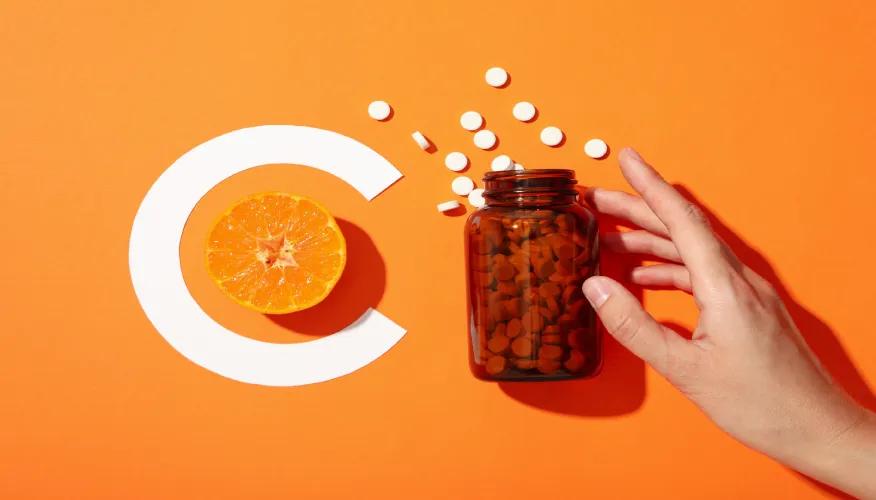
Ascorbic acid (vitamin C) is a popular vitamin, nutrient, and antioxidant.
- Vitamin C isn’t just for immunity; it helps regulate cortisol, your stress hormone.
- High stress equals hormone chaos.
- It also supports adrenal gland function and helps manage PCOS-related imbalances.
- Vitamin C supports hormonal balance by regulating stress hormones (like cortisol and adrenaline), protecting testosterone, improving immunity, reducing inflammation and anxiety, supporting fertility, stabilizing blood sugar, and improving heart function, especially in women with low estrogen or during pregnancy.
5. Vitamin A
- According to research, vitamin A plays a key role in thyroid health. When both iodine and vitamin A are low, it can worsen thyroid problems.
- Vitamin A supplements may help lower the risk of early-stage hypothyroidism in premenopausal women.
- Essential for thyroid function and estrogen metabolism, Vitamin A helps in the regulation of your menstrual cycle.
Other helpful nutrients for hormone health
In addition to vitamins, certain estrogen vitamins and minerals also support hormonal harmony:
Magnesium
- Magnesium is a key mineral for hormone regulation. It supports thyroid hormone production, helps control blood sugar, and combats stress, one of the major triggers of hormonal imbalance.
- Studies have found that low serum magnesium levels, common in women with PCOS and as we age, are linked to insulin resistance and elevated testosterone.
- Chronic stress depletes magnesium, further disrupting hormone levels.
- According to the research, women reaching menopause could suffer from hypomagnesemia and, in turn, may develop thyroid and other hormonal disorders.
- Including magnesium and other vitamins to balance hormones for females is essential for restoring balance.
Zinc
- Zinc is one of the essential hormone vitamins that plays a vital role in balancing vitamins and hormones in the body.
- It is especially important for women looking for vitamins to balance hormones for females, as it supports both insulin and thyroid hormone production.
- Zinc also contributes to reproductive health and can help regulate menstrual cycles and fertility.
- Studies show zinc deficiency may cause endocrine issues, making it harder to maintain hormonal balance.
- If you are wondering how to correct a hormonal imbalance or prevent one, adding zinc-rich foods or supplements may be helpful.
- It indirectly supports estrogen levels, making it a beneficial addition among estrogen vitamins and vitamins to increase estrogen levels.
Omega-3 Fatty Acids
- Omega-3s must be obtained through diet (like oily fish or flaxseed) or supplements.
- They support brain, bone, heart, and most importantly, hormonal health.
- Omega-3s enhance hormone receptor sensitivity, helping hormones send signals properly.
- They are precursors for estrogen, progesterone, and testosterone production.
- Deficiency may contribute to menopausal symptoms like hot flashes.
- Omega-3s reduce inflammation, which supports hormone production and protects against autoimmune-related hormonal imbalances (like Hashimoto’s thyroiditis).
- If the inflammation is balanced better is the hormone balance.
These nutrients work synergistically with vitamins and hormones to restore your internal balance.
Signs you may have a hormonal imbalance
Hormonal imbalances can cause many health issues. Too much or too little of a hormone often leads to symptoms. While some imbalances need treatment, others may be temporary and resolve naturally.
If you experience any of the following signs, it may be time to review your nutrient intake and consider targeted vitamins to increase estrogen levels or regulate other hormones.
- Irregular or missed periods
- Constant fatigue
- Weight gain (especially belly fat)
- Low libido
- Sleep disturbances
- Acne or hair thinning
- Water retention
- Facial hair growth
- Reliance on caffeine, sugar, or carbohydrate to get through the day
- Poor memory or concentration
- Mood problems (irritability, depression, or anxiety)
- Appetite changes
- Enlarged or tender breasts
- Aches and pains
- Altered sex drive
- Skin conditions (allergies, severe dryness, or oiliness)
- PMS
- Irregular menstrual cycles
- Hot flashes and vaginal dryness
- Infertility
- Urinary tract infections
This can take a toll on both physical and mental well-being, ultimately affecting personal relationships and overall quality of life.
How to support hormonal balance naturally

Your body naturally makes the right amount of hormones to stay healthy. But poor diet, lack of exercise, and aging can disrupt this balance. The good news? Healthy habits and a nutrient-rich diet, especially with the right hormone vitamins, can help restore balance. Adding vitamins to balance hormones for females, such as estrogen vitamins, may support energy, mood, and overall well-being.
Want to know how to correct a hormonal imbalance or how to prevent a hormonal imbalance naturally? Start with lifestyle changes and the right vitamins and hormones support, including vitamins to increase estrogen levels.
Eat a whole-food, nutrient-dense diet.
- Estrogen plays a key role in reproductive health, blood sugar, immunity, and brain function.
- Research says a diet high in sugar and animal products may raise estrogen levels, increasing cancer risk.
- In contrast, a Mediterranean diet with whole grains and veggies can help lower estrogen and reduce that risk.
Eat enough protein
- Eat enough protein at every meal, as your body also needs it to make peptide hormones, which are protein-based.
- These hormones help regulate important functions like growth, energy levels, appetite, stress, and reproduction.
- Research shows that eating protein lowers the hunger hormone ghrelin and boosts hormones that make you feel full.
Manage stress through mindfulness or exercise.
- Exercise supports hormonal health by boosting blood flow and making hormone receptors more responsive.
- Research suggests, activities like strength training, cardio, and even walking can help prevent insulin resistance and improve hormone balance, strength, and overall well-being.
- Chronic stress raises cortisol (the stress hormone), which disrupts hormone balance. High cortisol can increase hunger and cravings for sugary, fatty foods, leading to weight gain and hormonal imbalance.
Prioritize quality sleep
- Good sleep is key to hormone balance. According to research, poor sleep disrupts hormones like insulin, cortisol, leptin, and growth hormone.
- Aim for at least 7 hours of deep, quality sleep each night to support healthy hormone levels.
Limit caffeine, sugar, and alcohol.
- Studies suggest, cutting back on added sugars, especially from sugary drinks, can improve hormone balance and lower the risk of obesity, diabetes, and insulin resistance.
- Even without weight gain, too much sugar can harm hormone function.
Herbal Power
- Use herbs like chasteberry or ashwagandha (under guidance).
- Ashwagandha, known as the “king of herbs,” helps reduce stress and anxiety.
- When taken daily, it can also support male fertility by balancing hormones and boosting testosterone levels.
- Chasteberry is often used to treat irregular periods, premenstrual syndrome (PMS), infertility, and other conditions that affect females.
Consider vitamin supplements when needed.
- Vitamins for hormonal imbalance, such as Vitamin D, Vitamin B-complex, Vitamin E, Vitamin C, and Vitamin A, can be taken to correct the imbalance.
- Always check with a healthcare provider before starting supplements, especially if you have health conditions or are on medication.
When to consider vitamin supplements
If you are not getting enough nutrients from your diet alone or have been diagnosed with a deficiency, your doctor may recommend supplements.
This is especially common during perimenopause, postpartum recovery, or when dealing with PCOS, thyroid issues, or adrenal fatigue.
Choosing the best vitamins for hormonal imbalance can help you support your body during transitions and regain control of your health.
Conclusion
Hormones regulate metabolism, growth, mood, reproduction, sleep, and other bodily functions, and are essential for overall health. Balancing your hormones doesn’t need to be hard. With the right mix of vitamins to balance hormones for females, lifestyle adjustments, and medical guidance, you can manage symptoms and feel your best again.
Always consult with your healthcare provider before starting any new supplement, especially if you are considering estrogen vitamins or vitamins to increase estrogen levels for specific concerns.
Happy hormones = Happy you!
Meet our expert

Meet our expert
Dr Jatin Bhide is an Ayurvedic doctor with over 16 years of enriching experience in Marketing and Strategy across OTC/FMHG, herbal medicine and Nutraceuticals (Europe) industries. He did his Bachelor of Ayurvedic Medicine and Surgery (BAMS) from Mumbai University, before moving on to do a Post Graduate Diploma in Pharmaceuticals and Healthcare Management.



How was the experience with article?
We'd love to know!